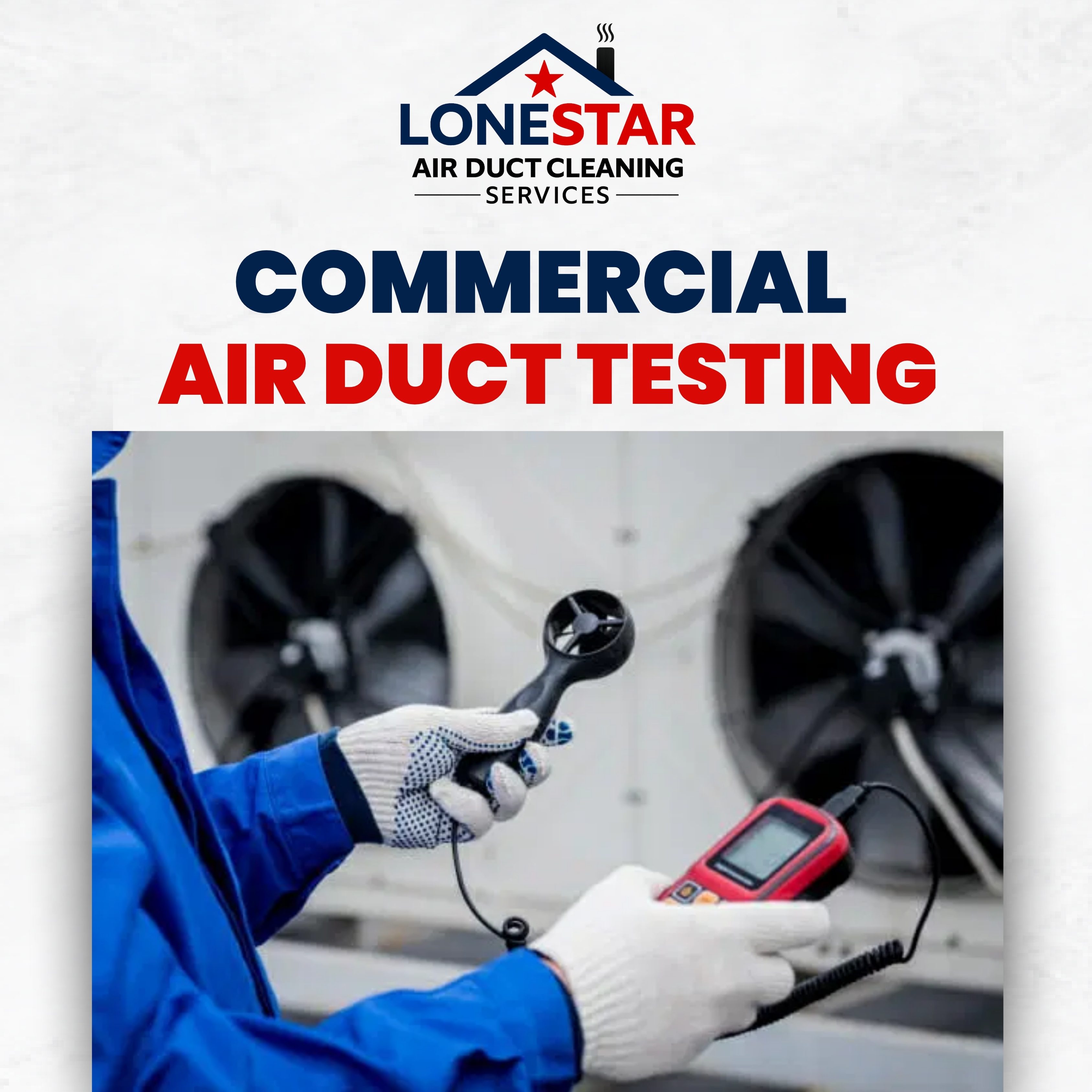
Commercial Air Duct Testing In Spring
Lone Star Air Duct Cleaning Services provides Commercial Air Duct Testing In Spring with clear reports and fast scheduling for healthier indoor air
Table of Contents
Commercial Air Duct Testing in Spring, Texas
Commercial Air Duct Testing in Spring, Texas helps local businesses understand the condition of the ductwork serving offices, retail spaces, medical suites, schools, warehouses, restaurants, and other commercial properties. It gives building owners, facility managers, and tenants useful information before they decide on cleaning, maintenance, repairs, or other next steps.
When Lone Star Air Duct Cleaning Services visits your Spring property, you can expect a practical inspection process, clear notes, and findings explained in plain language. The visit may look for visible dust buildup, debris, moisture concerns, airflow issues, access limits, and signs that the duct system may need cleaning or closer review.
Need Help? Call Lone Star Air Duct Cleaning Services near you
What commercial air duct testing means
Commercial Air Duct Testing is a focused look at the air duct system serving your building. It is not the same as duct cleaning. Testing helps identify what is present, where concerns may be located, and what steps may make sense next.
A test visit may include visual inspection, camera-assisted checks where access allows, airflow observations, and notes about surface conditions. The goal is to gather useful information without turning the workday upside down.
Many duct concerns show up slowly. Staff may ask why an office smells dusty on Monday, why a conference room feels stuffy, or why dust returns to desks right after regular cleaning. Testing helps take the guesswork out of those questions.
Who uses commercial air duct testing in Spring
Spring has a wide mix of commercial buildings. Some are near I-45, Grand Parkway 99, Hardy Toll Road, FM 2920, Louetta Road, Cypresswood Drive, and Rayford Road. Others are close to neighborhoods, churches, clinics, retail centers, and business parks. Businesses that need broader location guidance can also review our Spring, Texas service areas.
Commercial air duct testing often helps many types of local properties.
- Office property managers
- Retail store operators
- Medical and dental offices
- Daycare and learning centers
- Restaurants and cafes
- Fitness studios
- Churches and community buildings
- Warehouses with office buildouts
- Salons and spa spaces
- Multi-tenant commercial buildings
- Real estate managers before or after tenant turnover
Some buildings have a single HVAC system serving a small office. Others have multiple units, long duct runs, ceiling returns, or older areas changed over time. In mixed-use areas near Gleannloch Farms, Imperial Oaks, Northgate Crossing, Auburn Lakes, Harmony, Klein, and Springwoods Village, dust, pollen, road work, construction activity, and foot traffic can all affect duct conditions.
When a business should schedule testing
A business may request testing when something feels off, looks off, or smells off. It may also be useful after a remodel, tenant change, ceiling project, water issue, or long gap since the duct system was checked. If you are planning service soon, use our Contact Us page to schedule a visit and discuss access, business hours, and the areas of concern.
Common reasons include dust returning quickly after normal cleaning, musty odors when the HVAC starts, uneven airflow from room to room, complaints from staff or customers, recent remodeling, a new tenant moving into an older space, water staining near vents or ceiling tiles, rodent or pest concerns, and construction dust from nearby work.
Spring weather can add to the puzzle. Heavy humidity, pollen seasons, storms, and long cooling cycles can affect commercial HVAC systems. A building near Old Town Spring may have different concerns than a newer office near Springwoods Village or a storefront close to Grand Parkway.
Testing does not turn every concern into a major project. Sometimes findings are simple. A return grille may be loaded with dust. A filter may be the wrong size. A section may be hard to access and needs another look later. Good information helps everyone breathe a little easier in a practical sense.
Need Help? Call us for Air Ducts, Dryer Vents and more!
What happens during a testing visit
The visit starts with a walkthrough. The team asks about the building, the HVAC system, the areas of concern, and any recent work that may affect duct conditions. For some buildings, findings may point toward Commercial Air Duct Cleaning in Spring, Texas, while others may only need a filter correction, access review, or maintenance follow-up.
Then accessible parts of the system are checked. A typical testing visit may include these steps.
- Reviewing the rooms where concerns have been noticed
- Checking visible supply and return vents
- Looking for dust, debris, staining, moisture signs, or damaged parts
- Observing airflow concerns where they are obvious
- Using inspection tools where access allows
- Taking notes on areas that may need cleaning or further review
- Explaining findings in clear language
The work is planned with the real business day in mind. If your business is open, the visit is arranged around customers, staff, and normal movement through the space. No one wants a ladder parked in a doorway during the lunch rush.
For restaurants, the visit may focus on dining rooms, office areas, and customer zones. For medical offices, attention may go to waiting rooms, treatment areas, and return locations. For warehouses with office space, testing may look at how warehouse dust may be moving toward the office side.
What commercial air duct testing can find
Testing can reveal several types of concerns. Not every finding means the whole system needs service, but each one gives useful direction. If visible damage or loose sections are found, the next conversation may involve Commercial Air Duct Repair in Spring, Texas rather than cleaning alone.
Common findings include these conditions.
- Dust buildup on vent faces or inside visible duct sections
- Debris from remodel work
- Loose insulation or damaged lining
- Signs of moisture near vents or duct openings
- Odors linked to specific zones
- Blocked or restricted air paths
- Disconnected or loose duct sections where visible
- Dirty returns pulling air from dusty areas
- Evidence of pest activity
- Filter gaps or poor filter fit
- Areas that need better access before cleaning
Sometimes the issue is not hidden at all. A return grille in a small office can become packed after nearby sheetrock work. What feels like a strange room problem may simply be drywall dust moving through a return.
Common testing checkpoints
Testing depends on the building type, system access, and concerns reported. The table below shows common areas that may be reviewed and what each area may show.
| Area checked | What it may show |
|---|---|
| Supply vents | Dust buildup, staining, airflow concerns |
| Return vents | Debris, filter issues, heavy dust collection |
| Accessible duct interiors | Visible dust, loose material, debris |
| Ceiling areas near vents | Moisture marks, gaps, access limits |
| Mechanical room area | Filter fit, dust sources, equipment surroundings |
| Occupied rooms | Odors, dust patterns, comfort complaints |
The process stays simple. The goal is not to use fancy language. The goal is to help you understand what may be happening above the ceiling tiles and inside accessible duct sections.
How Spring weather and building use affect duct conditions
Spring, Texas gets humidity, heat, pollen, and storm activity. HVAC systems work hard here, especially during long warm seasons. Local conditions that can affect ductwork include high pollen counts, humid air, heavy cooling demand, road dust near I-45 and FM 2920, construction near growing commercial corridors, storm leaks, and long business hours.
A business near Mercer Botanic Gardens may deal with outdoor pollen. A retail space near The Woodlands edge may see heavy customer traffic. A warehouse near Hardy Toll Road may deal with dust from loading areas. Each building has its own pattern, and the duct system often reflects that pattern.
Testing can also help determine whether ongoing care should include Commercial Air Duct Maintenance in Spring, Texas. Maintenance planning is especially useful for properties with multiple units, heavy occupancy, frequent tenant changes, or recurring dust complaints.
Building types that benefit from testing
Small offices
Small offices can have odor complaints in conference rooms, break rooms, or shared work areas. A single return may serve several rooms, which can move dust or odors from one area to another.
Retail stores
Retail spaces often have open ceilings, ceiling tiles, fitting rooms, and storage areas. Dust from stockrooms can move toward customer areas if returns are nearby.
Medical and dental suites
These spaces often need clear information before planning cleaning work. Testing can help identify areas with dust, access limits, or moisture concerns.
Restaurants and food service spaces
Dining rooms and office areas can collect dust around vents. Kitchen exhaust is separate from normal HVAC ductwork, but building airflow patterns can still affect comfort and odor movement.
Schools and childcare centers
Classrooms, play areas, offices, and hallways can have different use patterns. Testing can help locate dusty returns, blocked vents, or areas affected by high activity.
Warehouses with offices
Warehouse dust can move into office areas, especially near shared doors, open returns, or poorly sealed areas. Testing can help confirm where dust is collecting.
Churches and community buildings
Large rooms may have high ceilings, long duct runs, and systems used heavily on certain days. Testing can help plan service without disrupting events.
How testing helps before cleaning, repair, or replacement
Testing is often a smart first step before duct cleaning. It helps identify where the system needs attention and where access may be limited. If the ductwork is older, damaged, or no longer serving the building well, findings may lead to a discussion about Commercial Air Duct Replacement in Spring, Texas or Commercial Air Duct Installation in Spring, Texas.
A test can help answer several practical questions.
- Which areas show visible buildup
- Whether concerns are limited to one zone
- Whether moisture signs need review first
- Whether vents or returns are blocked
- Whether the building is ready for cleaning work
- Whether access panels or special scheduling may be needed
- Whether non-duct sources are causing the complaint
That last point matters. Dust complaints can come from ceiling tile residue, open storage, old carpet, or nearby construction. Cleaning ducts may help only when the ducts are part of the issue. Testing helps sort that out before bigger work is planned.
How to prepare for the appointment
A little preparation helps the visit go smoother. You do not need to clear the whole building, but access matters. Before the appointment, it helps to note rooms with odors, dust, or airflow concerns, share recent remodeling or water leaks, identify mechanical rooms or roof access areas, move boxes away from vents when possible, and let staff know someone may be checking ceiling vents.
If your business has a busy time, tell the team in advance. A dental office may prefer a slower block between appointments. A restaurant may prefer checks before lunch service. A retail store may need work done around delivery times.
The approach is practical. If a manager asks that the front display stay clear, the visit should be planned around that need. Air duct testing should not turn into an obstacle course for staff or customers.
What can affect results and timing
Testing results and timing can vary from one building to another. Access is a major factor. Some duct sections are easy to check from vents or ceiling tiles. Others may be hidden behind hard ceilings, high roof areas, locked rooms, or equipment.
Factors that may affect the visit include building size, number of HVAC units, number of supply and return vents, ceiling height, hard ceiling areas, tenant access limits, roof or mechanical room access, safety restrictions, active business hours, recent cleaning, remodeling, filter changes, moisture concerns, and pest concerns.
A small office near Louetta Road may be quicker to assess. A multi-tenant building near Grand Parkway may need more coordination. A warehouse near Rayford Road may have high ceilings and longer walking distances between zones.
Weather can also affect timing. Heavy rain, roof access limits, or high heat can change how certain areas are checked. The team can explain what can be reviewed during the visit and what may need another look.

What happens after testing
After the test, Lone Star Air Duct Cleaning Services reviews the findings with you in plain language. You can expect an explanation of what was seen, where it was found, and what options may make sense based on the condition of the system.
You may receive notes about visible dust buildup, vents or returns needing attention, possible cleaning scope, access concerns, moisture signs, odor sources, filter or return issues, and areas that did not show major visible buildup.
The purpose is to help you make a clear maintenance decision. Some businesses move forward with duct cleaning. Some correct filter or airflow issues first. Some need building maintenance to address moisture or ceiling concerns before duct service.
Why local knowledge matters in Spring
Spring is not one single building type or one single business district. It has older commercial strips, newer medical offices, retail centers, warehouse spaces, churches, restaurants, and offices near fast-growing neighborhoods. A property near Old Town Spring may have older construction details, while a property near Springwoods Village may be newer but still affected by tenant finish-out dust.
A location near Cypresswood Drive may deal with high traffic and frequent door openings. A business near FM 2920 may see dust from nearby development. Local patterns matter because building use affects duct conditions every day.
Common Spring scenarios include retail spaces after tenant turnover, offices after ceiling tile replacement, clinics moving into previously occupied suites, restaurants noticing odors in dining areas, warehouses adding office HVAC zones, businesses near road work seeing more dust indoors, properties with storm-related ceiling stains, and daycare spaces with heavy daily use.
Is testing disruptive to business operations
Most testing is planned to reduce interruption. The amount of activity depends on the space, the system, and the access needed. During a visit, you may see technicians checking vents, ladders in select areas, ceiling tile access where allowed, notes and photos for internal findings, short conversations about problem rooms, and movement between HVAC zones.
The work should stay tidy and organized. If customers are present, the team works with your staff to avoid blocking walkways and service areas. For some businesses, testing during normal hours works well. For others, early morning or slower periods are easier.
How air duct testing supports property management
Property managers often need clear information before approving maintenance work. Testing helps document what is visible and where concerns are located. This can be useful when a tenant reports repeated dust, a new lease is starting, a buildout has ended, a property is being prepared for showing, a maintenance plan is being updated, or multiple suites share similar complaints.
Testing can also help separate duct concerns from housekeeping, filtration, construction, or building envelope issues. Instead of saying something is wrong with the air, a manager may be able to point to a return with visible dust or a blocked storage room vent. That is a much clearer starting point.
Keeping duct conditions easier to manage
Testing gives a snapshot of current conditions. Daily habits still matter. Commercial properties can help reduce duct concerns by replacing filters on a steady schedule, using the proper filter size, keeping returns clear of boxes and furniture, managing dust during remodel work, reporting water stains quickly, keeping mechanical rooms clean, and checking vents after ceiling work.
A blocked return can create a surprising amount of trouble. Boxes stacked against a return grille can make a room feel stuffy and make the system sound strained. In some cases, the thermostat gets blamed when the airflow path is the real issue.
Building conditions outside the ductwork can also matter. If attic areas affect temperature or duct surroundings, Commercial Attic Insulation in Spring, Texas may be worth reviewing. If laundry operations are part of the property, Commercial Dryer Vent Booster Fan Installation in Spring, Texas may be a separate service to consider for dryer vent performance.
ZIP codes served around Spring
Lone Star Air Duct Cleaning Services works with commercial properties across Spring and nearby areas. Common ZIP codes include 77373, 77379, 77380, 77381, 77382, 77386, 77388, and 77389.
Service needs vary by property type, access, and schedule. If your business is in or near Spring and you are not sure whether your location fits, the team can talk through the details.
Why choose our team for testing
Our team is based in the Houston, TX area and serves businesses in Spring, Texas. To learn more about the company and team, visit About Us. The focus is air duct and dryer vent cleaning services, with testing that helps commercial customers understand duct conditions before planning next steps.
The approach is straightforward.
- We listen to the concern first
- We check accessible areas carefully
- We explain what we see
- We avoid scare tactics
- We keep the visit practical for your business day
- We help you decide what should be reviewed next
Commercial air duct testing is not about making a building sound worse than it is. It is about finding useful facts. If a system needs cleaning, repair, maintenance, or another review, the findings can help guide that conversation.
Related services in Spring, Texas
- Commercial Air Duct Testing in Spring, Texas
- Commercial Air Duct Cleaning in Spring, Texas
- Commercial Air Duct Installation in Spring, Texas
- Commercial Air Duct Maintenance in Spring, Texas
- Commercial Air Duct Repair in Spring, Texas
- Commercial Air Duct Replacement in Spring, Texas
- Commercial Attic Insulation in Spring, Texas
- Commercial Dryer Vent Booster Fan Installation in Spring, Texas
- Commercial Air Duct Cleaning
- Commercial Air Duct Maintenance
- Commercial Air Duct Repair
- Commercial Air Duct Replacement
Schedule commercial air duct testing in Spring
If your Spring business has dust concerns, odors, airflow complaints, or a recent remodel, Lone Star Air Duct Cleaning Services can inspect accessible duct areas and explain the findings clearly.
Call (830) 430-1849 to schedule Commercial Air Duct Testing in Spring, Texas.
Frequently Asked Questions (FAQs)
Commercial air duct testing is an assessment of an HVAC duct system to help identify potential airflow issues, leakage, or indoor air quality concerns. Businesses in Spring often request it when comfort, maintenance planning, or air quality questions come up.
Many property types may consider testing, including offices, retail spaces, medical facilities, schools, warehouses, and multi-tenant buildings. Lone Star Air Duct Cleaning Services offers a range of services, including Commercial Air Duct Testing, for different building needs.
Common times include after renovations, when taking over a new space, during recurring comfort complaints, after HVAC changes, or as part of periodic facility maintenance planning.
Testing may help flag duct leakage, airflow imbalance, pressure concerns, or areas that could be contributing to dust or odor complaints. It’s typically used to guide next-step maintenance decisions.
It depends on the building layout and testing approach. Many businesses coordinate testing during off-hours or low-traffic periods to reduce disruption.
Testing focuses on evaluating duct performance and conditions, while cleaning focuses on removing accumulated debris. Lone Star Air Duct Cleaning Services provides multiple HVAC-related services, including Commercial Air Duct Testing, and can discuss whether testing, cleaning, or both may be appropriate.
Facilities often prepare by ensuring access to mechanical rooms, roof units (if applicable), and key supply/return areas, and by sharing any comfort or air quality concerns observed by staff.
Duct testing may highlight conditions that warrant further investigation, but confirming mold typically involves additional inspection methods and, when appropriate, sampling by qualified parties.
It can help identify airflow distribution or duct-related factors that may contribute to hot/cold spots, which can support more informed HVAC adjustments or maintenance planning.
Businesses often look for providers familiar with commercial HVAC systems and local building needs. Lone Star Air Duct Cleaning Services offers a range of services, including Commercial Air Duct Testing, and can help you understand general options for evaluating your duct system.
What Is Duct Leakage Testing, and When Is It Worth Scheduling?
Duct leakage testing measures how much heated or cooled air escapes from ductwork. It can…
Air Duct Repair vs Replacement for Aging Ductwork
Compare air duct repair and replacement by looking at the damage, leakage, insulation, moisture, airflow,…
Why Does My House Get Dusty Right After I Clean? Duct Questions to Consider
Dust that returns fast may come from filter gaps, leaks, recent work, or duct debris.…